
How to Get Cited by ChatGPT, Perplexity, and Google AI: The 2026 Guide
Master the 2026 playbook for AI search visibility. Learn how to optimize your brand for citations in ChatGPT, Perplexity, and Google AI to drive high-converting traffic through Answer Engine Optimization (AEO).

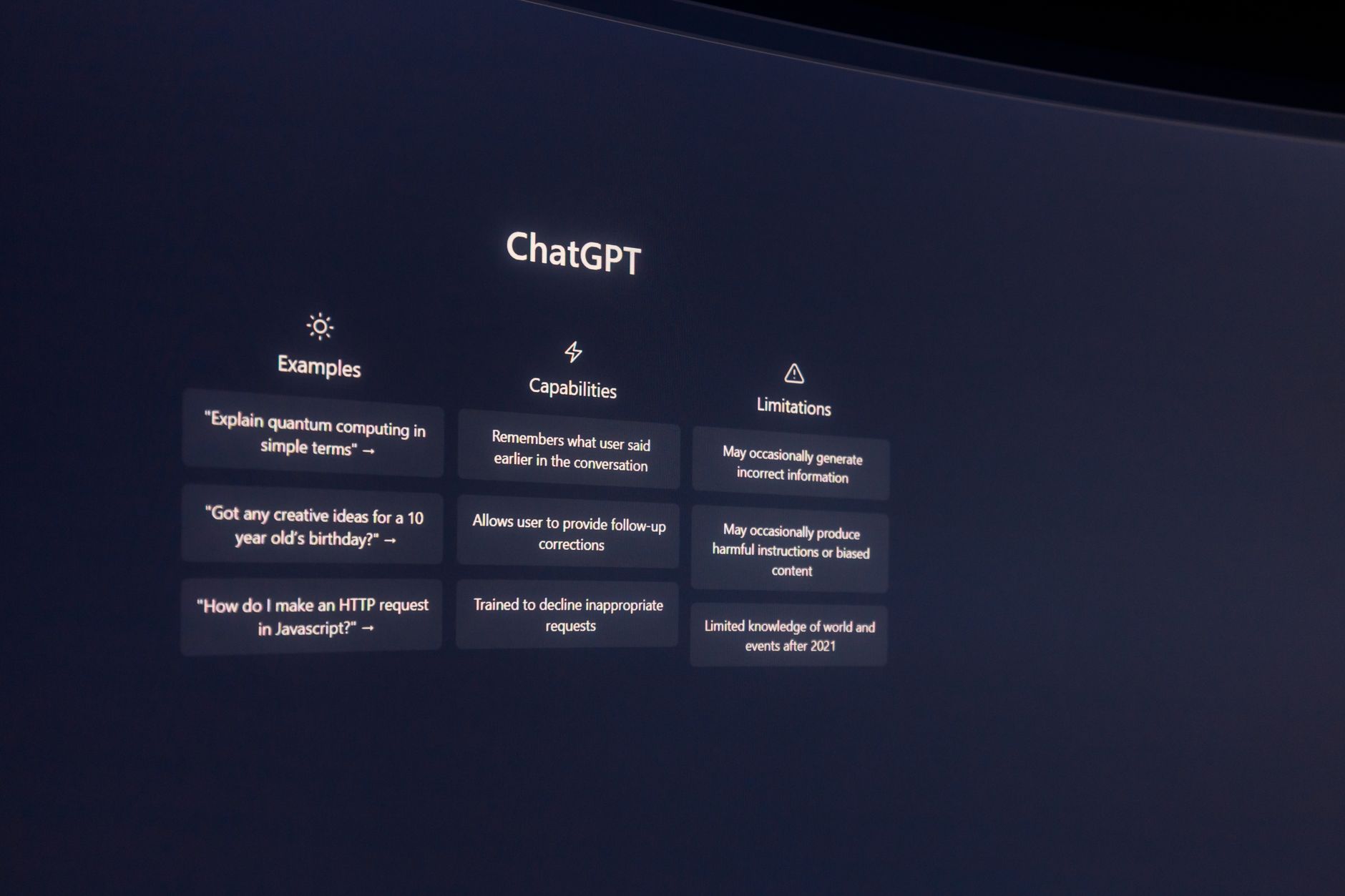
In 2026, the digital discovery landscape has fundamentally shifted from ranking blue links to earning AI citations. With ai search traffic growing 527% year-over-year, brand visibility is now defined by whether an AI model extracts and references your content in its generated responses.
According to research from ChatFeatured, nearly 93% of AI search sessions end without a website click. The citation itself is the "new visit." However, the visitors who do click through are highly valuable: AI-referred visitors convert at 14.2%, compared to just 2.8% for traditional organic search—a massive 5x advantage according to Sapt.ai.
This comprehensive guide outlines the step-by-step Answer Engine Optimization (AEO) playbook to maximize your brand's presence across major AI platforms.
What is Answer Engine Optimization (AEO)?
Answer Engine Optimization (AEO) is the strategic process of structuring digital content so that artificial intelligence models—like ChatGPT, Perplexity, and Google AI—can easily discover, parse, and cite it in their generated answers.
As Meg Papanastassiou of Rygr explains, "AEO is not a replacement for SEO; it is a strategic integration of SEO, PR, and AI visibility intelligence" (Rygr).
The Mechanics of AI Search: How Platforms Source Data
AI engines do not rank pages; they synthesize answers. Because each major platform employs a distinct sourcing philosophy, a "one-size-fits-all" SEO strategy is no longer effective. In fact, only 11% of domains are cited by both ChatGPT and Perplexity (Leapd).
Platform | Primary Citation Bias | Core Sourcing Philosophy |
|---|---|---|
ChatGPT | Wikipedia (47.9% of top citations) | Encyclopedic authority, training-data depth, and high domain authority. |
Perplexity | Reddit (46.7% of top citations) | Real-time community validation, original data, and recency. |
Google AI Overviews | YouTube (23.3% of top citations) | Integration with Google Index, E-E-A-T signals, and multi-format content. |
Sources: Knownful, CiteMetrix
Step-by-Step Guide to Earning AI Citations
Step 1: Ensure Technical Accessibility (Asymmetric Crawling)
In 2026, blocking AI bots is a critical visibility error. Brands must adopt an "Asymmetric Crawl strategy" to ensure their content is ingested by the right models.
Allow
OAI-SearchBot: This is the real-time crawler for chatgpt search. Blocking it guarantees your brand's exclusion from real-time recommendations.Implement
llms.txt: Located at the root directory of your website, this file acts as the "robots.txt for the AI age." It provides a machine-readable summary of your brand's value propositions and product details specifically formatted for LLM consumption (ChatFeatured).
Step 2: Structure Content for AI Extraction
AI models prioritize content that is easy to parse. The "Answer-First" approach is critical for extraction.
Use Answer Capsules: Include a concise, 2-3 sentence summary at the top of each section. Research shows that 72.4% of pages cited by ChatGPT contain these direct answer capsules.
Write in Semantic Triples: Structure your sentences as Subject-Predicate-Object (e.g., "[Brand] provides [Service] for [Audience]"). This helps AI models build accurate knowledge graphs about your entity.
Prioritize Data Provenance: Include original statistics. Pages containing 19 or more statistical data points earn 2-3x more citations than text-only content (CiteMetrix).
Step 3: Implement Entity Signals and Schema Markup
While Google claims schema isn't strictly "required" for AI Overviews, it remains a primary signal for extraction and disambiguation across all engines.
The "FAQ" Lift: Implementing
FAQPageschema is the strongest individual signal for AI citation across all platforms (AI+Automation).Author Authority: Anonymous content is rarely cited. Use
Personschema to link authors to verifiable professional profiles, establishing the E-E-A-T signals models look for (Running Robots).Core Business Schema: Always implement
OrganizationandProductJSON-LD to clearly define your offerings.
Platform-Specific Optimization Tactics
To truly dominate the AI landscape, you must tailor your approach to the specific quirks of each engine.
How to Optimize for ChatGPT Search
ChatGPT relies heavily on consensus-based retrieval and its search partner.
Master the Bing Index: ChatGPT's search capability has an 87% citation overlap with the Bing Index. If your content does not perform well on Bing, you will not appear in ChatGPT.
Build Third-Party Consensus: ChatGPT looks for external validation. Mentions on platforms like Reddit, Quora, and G2 serve as vital social proof.
How to Optimize for Perplexity
Perplexity functions as a real-time research assistant, prioritizing fresh, well-structured data.
Update Content Frequently: Perplexity heavily weights content updated within the last year. Currently, 65% of AI bot hits target recently published or updated content.
Mirror the UI: Use numbered lists and clear, inline citations within your own content. This mirrors Perplexity's own user interface style, making it easier for the model to extract and present your data.
How to Optimize for Google AI Search (Overviews)
Google AI Overviews now appear in approximately 48% to 57% of all searches (Running Robots).
Diversify Formats: Ensure your brand is active on YouTube. Video content accounts for nearly 23% of AIO citations (Knownful).
Maintain Traditional Rankings: While the overlap is shrinking (down to 17-38% in 2026), Google still prioritizes pages that already rank in the top 10 traditional search results for its AI Overviews.
Tracking Your AI Search Visibility with ChatFeatured
Because citation rates can vary by up to 615x between different platforms, manual tracking is virtually impossible in 2026. To manage this complexity, brands rely on ChatFeatured, an end-to-end AI search optimization platform.
ChatFeatured provides the essential toolkit for modern AEO by allowing brands to track their Share of Answer—analyzing how often your brand is recommended compared to competitors. The platform also provides a unified Brand Visibility Score to identify which specific prompts drive high-intent recommendations. Furthermore, ChatFeatured helps content teams generate articles and guides specifically structured for AI extraction, ensuring your content is formatted perfectly for the "Answer-First" era.
The Future of AI Discovery
As Ronn Torossian notes, "In 2026, the modern equivalent of 'what does Google rank first' is 'what does ChatGPT cite first'" (Everything-PR).
Succeeding in google ai search, ChatGPT, and Perplexity requires a fundamental shift from keyword stuffing to entity building and data structuring. By ensuring technical accessibility, structuring content with answer capsules, and leveraging tools to track your Share of Answer, your brand can secure its place in the AI-driven future of digital discovery.